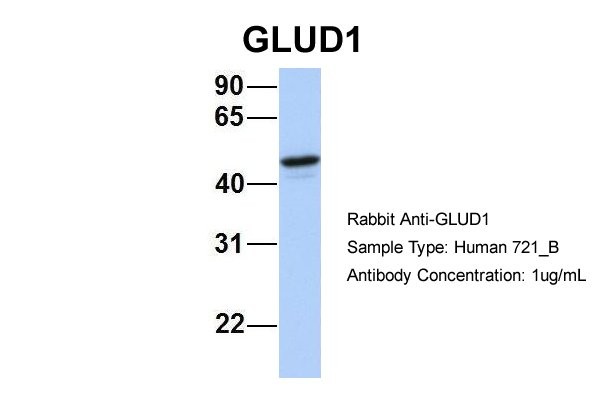
Immunohistochemistry
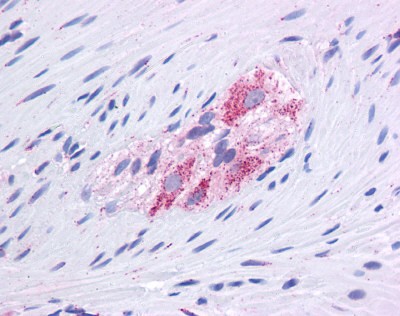
Immunohistochemistry with CORTEX/KIDNEY tissueImmunohistochemistry
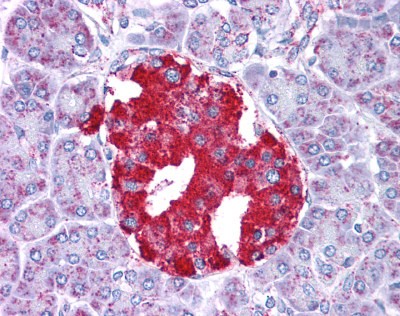
Immunohistochemistry with pFA fixed human pancreas tissue tissueImmunohistochemistry
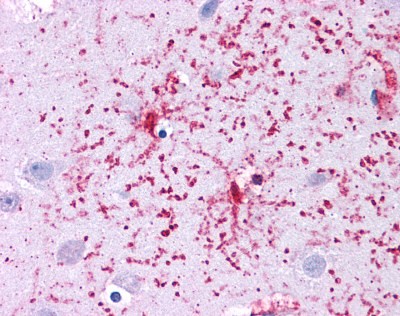
Immunohistochemistry with pFa fixed human brain tissue tissueWestern blot
Host: Rabbit Target Name: NSUN6 Sample Tissue: Human Fetal Lung Antibody Dilution: 1.0ug/mlWestern blot
Host: Rabbit Target Name: GNAS Sample Tissue: Human Fetal Heart Antibody Dilution: 1.0ug/mlWestern blot
Host: Rabbit Target Name: NOP56 Sample Tissue: Human Fetal Brain Antibody Dilution: 1.0ug/mlWestern blot
Host: Rabbit Target Name: HIRIP3 Sample Tissue: 293T Antibody Dilution: 1.0ug/mlWestern blot
Host: RabbitTarget Name: SERPINA3 Sample Tissue: Human Adult Placenta Antibody Dilution: 1.0ug/mlWestern blot
Host: Rabbit Target Name: WT1 Sample Tissue: 721_B Antibody Dilution: 1.0ug/mlWestern blot
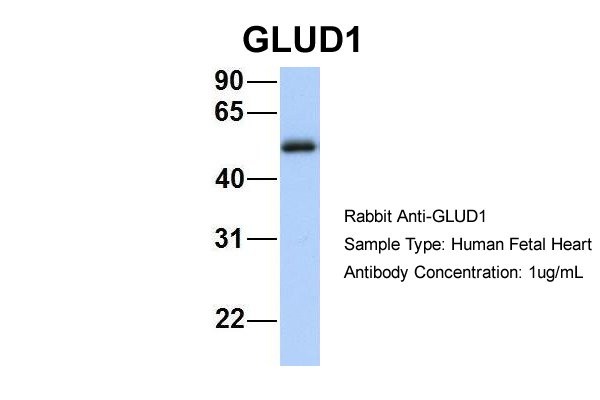
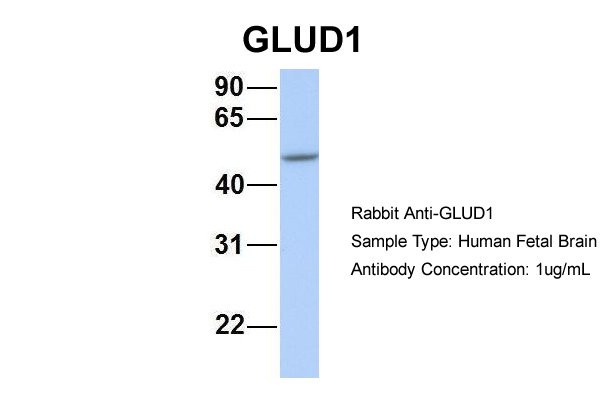
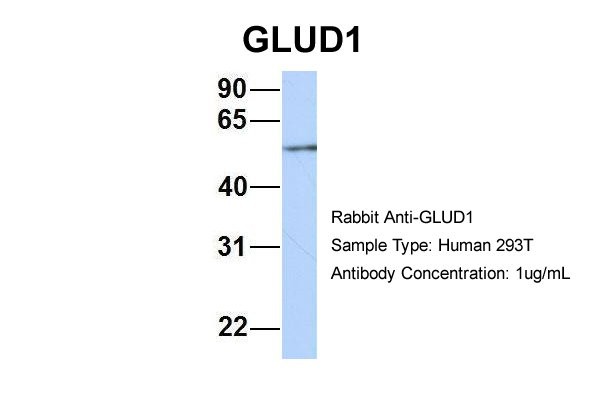
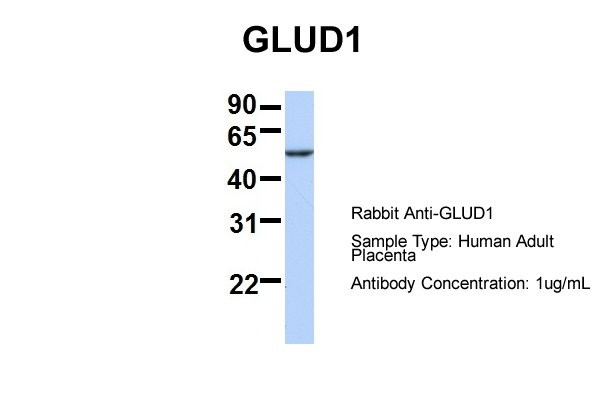
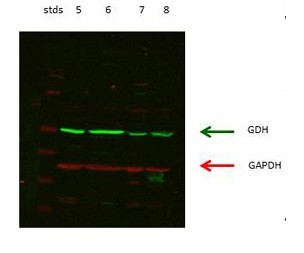
lanes 5: rat kidney cordex lanes 6: rat kidney proximal tubules prepped from cortex lanes 7: LLCPK-F+ pig kidney proximal tubule tissue culture lysate lanes 8: rat brain supernatant| Product Name | Rabbit anti-GLUD1 polyclonal antibody - N-terminal region |
|---|---|
| Antibody Type | Primary Antibodies |
| Antigen Alias | GDH, GDH1, GLUD, MGC132003 |
| Immunogen | The immunogen for anti-GLUD1 antibody: synthetic peptide directed towards the N terminal of human GLUD1 |
| Clonality | Polyclonal |
|---|---|
| Isotype | IgG |
| Host Species | Rabbit |
| Tested Applications | WBIHC |
| WB:1:500~1:2000 IHC:1:50~1:200 Notes:Optimal dilutions/concentrations should be determined by the researcher. |
|
| Species Reactivity | HumanPigZebra Fish |
| Concentration | 1mg/ml |
| Purification | Affinity purified |
| Gene Symbol | GLUD1 |
|---|---|
| Gene Synonyms | GDH GDH1 GLUD MGC132003 |
| Gene Full Name | Glutamate dehydrogenase 1 |
| Gene Summary | L-glutamate dehydrogenase (EC 1.4.1.3) has a central role in nitrogen metabolism in plants and animals. Glutamate dehydrogenase is found in all organisms and catalyzes the oxidative deamination of 1-glutamate to 2-oxoglutarate. Glutamate, the main substrate of GLUD, is present in brain in concentrations higher than in other organs. In nervous tissue, GLUD appears to function in both the synthesis and the catabolism of glutamate and perhaps in ammonia detoxification.L-glutamate dehydrogenase (EC 1.4.1.3) has a central role in nitrogen metabolism in plants and animals. Glutamate dehydrogenase is found in all organisms and catalyzes the oxidative deamination of 1-glutamate to 2-oxoglutarate (Smith et al., 2001 [PubMed 11254391]). Glutamate, the main substrate of GLUD, is present in brain in concentrations higher than in other organs. In nervous tissue, GLUD appears to function in both the synthesis and the catabolism of glutamate and perhaps in ammonia detoxification (Mavrothalassitis et al., 1988 [PubMed 3368458]).[supplied by OMIM]. Publication Note: This RefSeq record includes a subset of the publications that are available for this gene. Please see the Entrez Gene record to access additional publications. PRIMARYREFSEQ_SPAN PRIMARY_IDENTIFIER PRIMARY_SPAN COMP 1-51 M20867.1 1-51 52-3120 BC112946.1 16-3084 |
| Alternative Names | GDH GDH1 GLUD MGC132003 |
| Molecular Weight(MW) | 56kDa |
| Sequence | 558 amino acids |
Immunohistochemistry
Immunohistochemistry with CORTEX/KIDNEY tissue
Immunohistochemistry
Immunohistochemistry with pFA fixed human pancreas tissue tissue
Immunohistochemistry
Immunohistochemistry with pFa fixed human brain tissue tissue
Western blot
Host: Rabbit Target Name: NSUN6 Sample Tissue: Human Fetal Lung Antibody Dilution: 1.0ug/ml
Western blot
Host: Rabbit Target Name: GNAS Sample Tissue: Human Fetal Heart Antibody Dilution: 1.0ug/ml
Western blot
Host: Rabbit Target Name: NOP56 Sample Tissue: Human Fetal Brain Antibody Dilution: 1.0ug/ml
Western blot
Host: Rabbit Target Name: HIRIP3 Sample Tissue: 293T Antibody Dilution: 1.0ug/ml
Western blot
Host: RabbitTarget Name: SERPINA3 Sample Tissue: Human Adult Placenta Antibody Dilution: 1.0ug/ml
Western blot
Host: Rabbit Target Name: WT1 Sample Tissue: 721_B Antibody Dilution: 1.0ug/ml
Western blot
lanes 5: rat kidney cordex lanes 6: rat kidney proximal tubules prepped from cortex lanes 7: LLCPK-F+ pig kidney proximal tubule tissue culture lysate lanes 8: rat brain supernatant| Application Notes | WB:1:500~1:2000 IHC:1:50~1:200 Notes:Optimal dilutions/concentrations should be determined by the researcher. |
|---|
| Form | Liquid |
|---|---|
| Storage Instructions | Aliquot and store at -20°C. Avoid repeated freeze / thaw cycles |
| Storage Buffer | phosphate buffered saline , pH 7.4, 150mM NaCl, 0.02% sodium azide and 50% glycerol. |


