Application
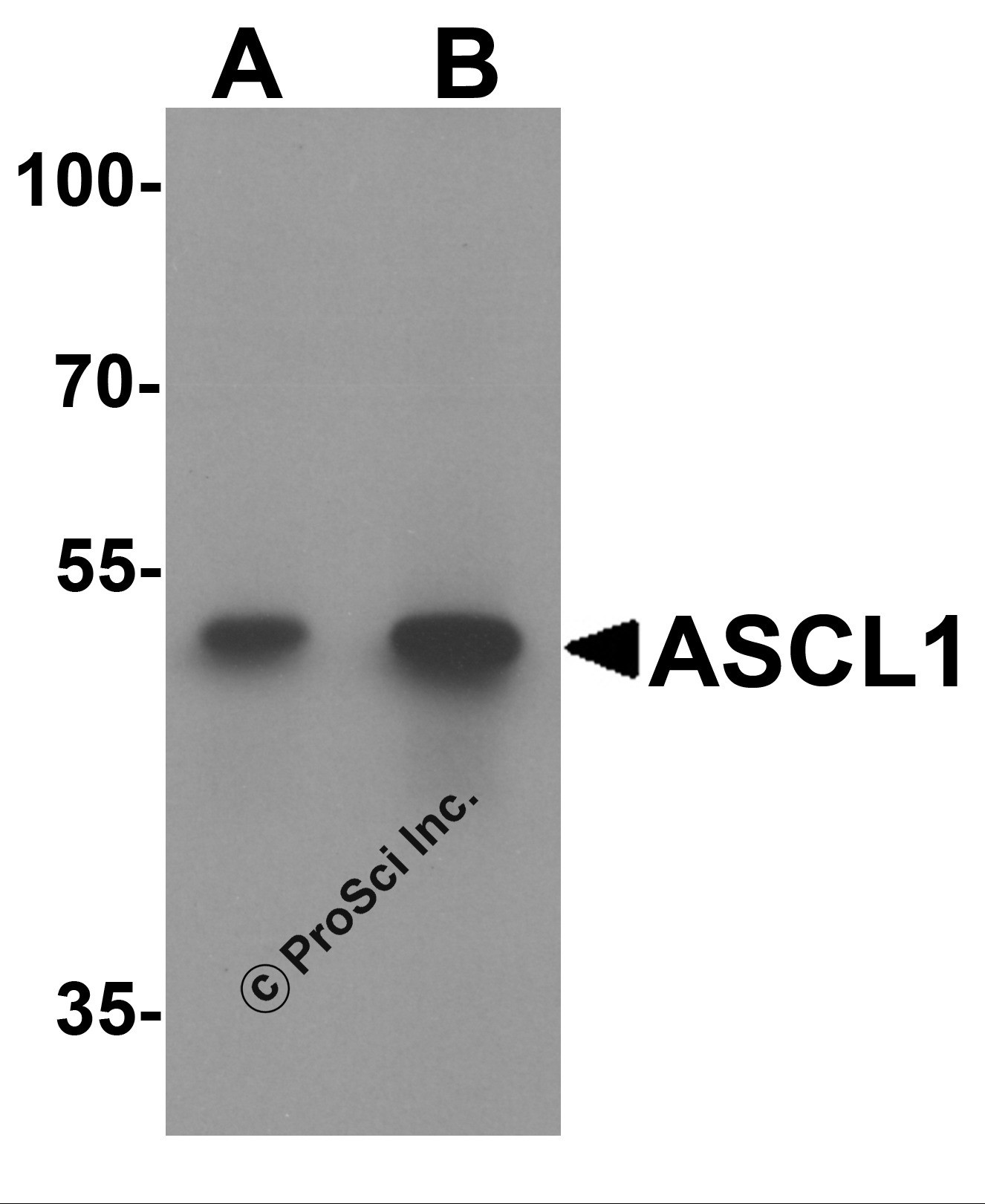
Western blot analysis of ACSL1 in human lung tissue lysate with ACSL1 antibody at (A) 1 and (B) 2 μg/mL.Application
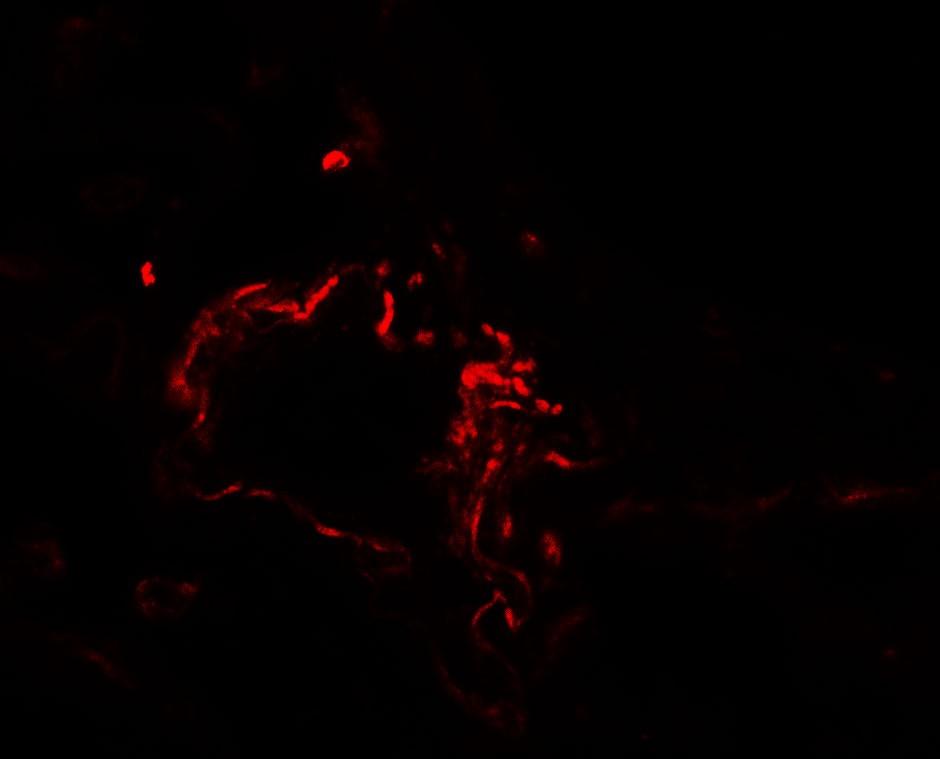
Immunofluorescence of ASCL1 in human lung tissue with ASCL1 antibody at 20 μg/mL.| Product Name | ACSL1 Antibody |
|---|---|
| Antibody Type | Primary Antibodies |
| Product description | ACSL1 Antibody: Long-chain acyl coenzyme A synthetase 1 (ACSL1) catalyzes the synthesis of acyl-CoA from long-chain fatty acids in an ATP-dependent manner. ACSL1 is a member of a family of long-chain acyl-CoA synthetases which differ in substrate preference, tissue expression, and subcellular localization. In mouse, ASCL1 is the major acyl-CoA enzyme in the heart, providing 60-90% of heart ATP. Loss of ASCL1 either globally or in heart ventricles resulted in impaired fatty acid oxidation, activation of the mammalian target of rapamycin (mTOR), and cardiac hypertrophy.1) Black PN and DiRusso CC. Transmembrane movement of exogenous long-chain fatty acids: proteins, enzymes, and vectorial esterification. Microbiol. Mol. Biol. Rev. 2003; 67:454-72. |
| Immunogen | Rabbit polyclonal ACSL1 antibody was raised against an 18 amino acid peptide near the center of human ACSL1. The immunogen is located within amino acids 240 - 290 of ACSL1. |
| Clonality | Polyclonal |
|---|---|
| Isotype | IgG |
| Host Species | Rabbit |
| Tested Applications | ELISAIFWB |
| ACSL1 antibody can be used for detection of ACSL1 by Western blot at 1 - 2 μg/mL. For immunofluorescence start at 20 μg/mL. | |
| Species Reactivity | HumanMouseRat |
| Concentration | 1mg/ml |
| Purification | Affinity purified |
| Gene Symbol | ACSL1 |
|---|---|
| Alternative Names | ACSL1 Antibody: ACS1 LACS FACL1 FACL2 LACS1 LACS2 Long-chain-fatty-acid--CoA ligase 1 Acyl-CoA synthetase 1 ACS1 |
| Molecular Weight(MW) | 77 kDa |
| Sequence Similarities | 2) Cat. No. 10-101 - Human Lung Tissue Slide |
| Tissue Specificity | At least three isoforms of ACSL1 are known to exist; this antibody will detect all three isoforms. |
Application
Western blot analysis of ACSL1 in human lung tissue lysate with ACSL1 antibody at (A) 1 and (B) 2 μg/mL.
Application
Immunofluorescence of ASCL1 in human lung tissue with ASCL1 antibody at 20 μg/mL.| Application Notes | ACSL1 antibody can be used for detection of ACSL1 by Western blot at 1 - 2 μg/mL. For immunofluorescence start at 20 μg/mL. |
|---|
| Form | Liquid |
|---|---|
| Storage Instructions | ACSL1 antibody can be stored at 4˚C for three months and -20˚C, stable for up to one year. As with all antibodies care should be taken to avoid repeated freeze thaw cycles. Antibodies should not be exposed to prolonged high temperatures. |
| Storage Buffer | ACSL1 Antibody is supplied in PBS containing 0.02% sodium azide. |


