Application
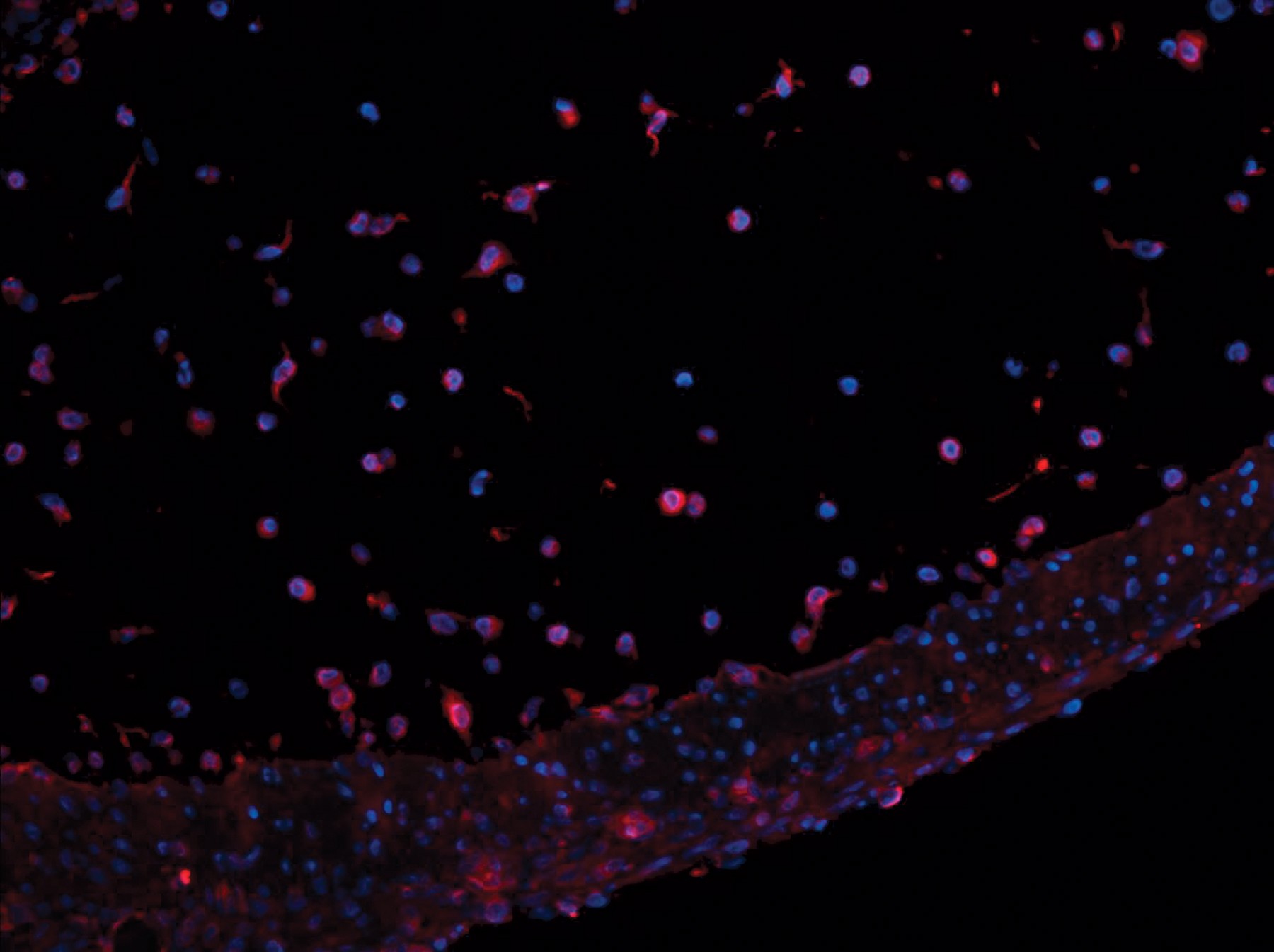
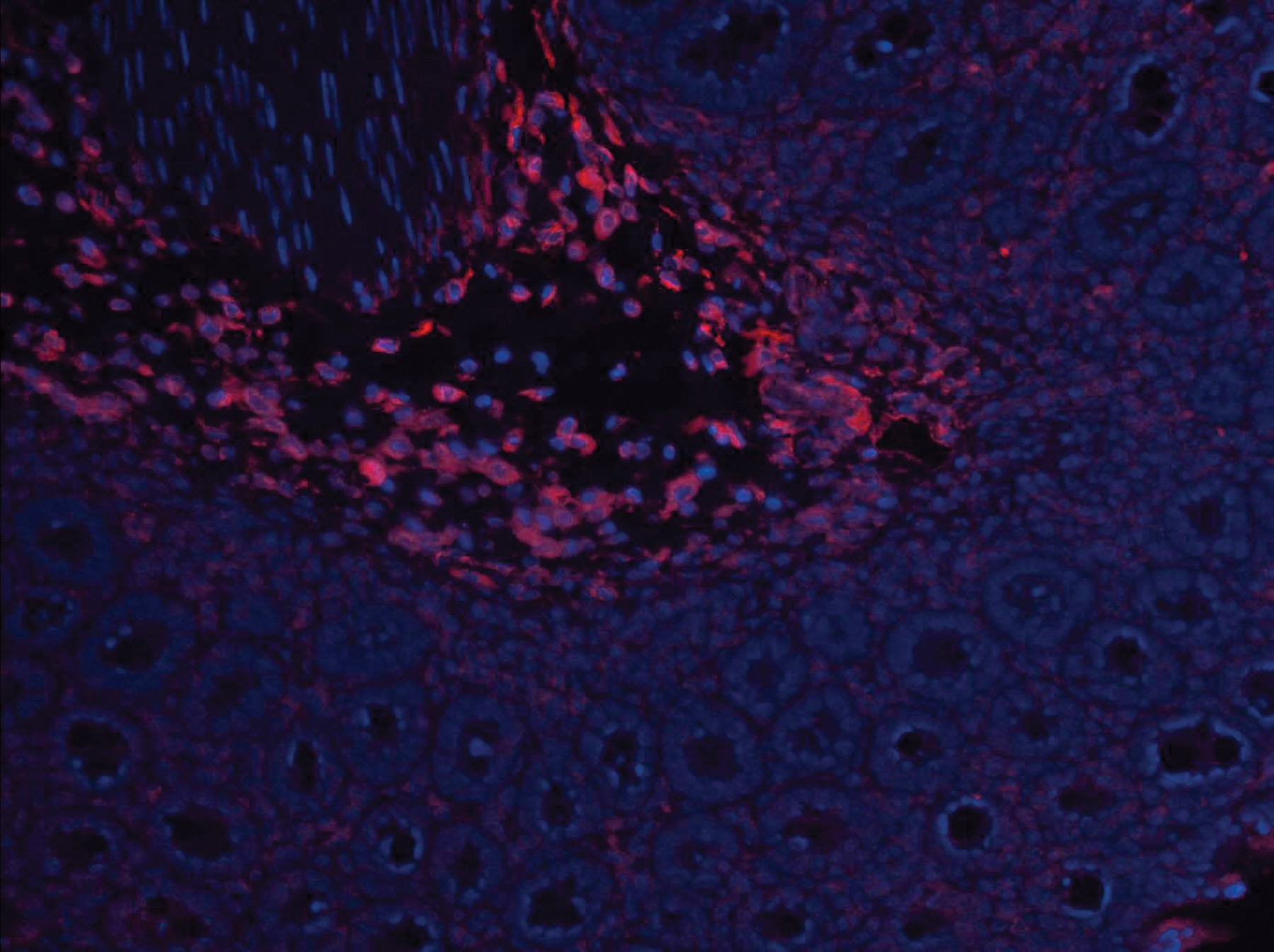
This antibody stained 4% PFA, paraffin-embedded sections of Trichuris muris infected murine cecum and large intestine tissue. The primary antibody was incubated at 0.20 ug/ml overnight at 4˚C and the secondary antibody was a cyanine-3 conjugated Donkey anti-Rabbit (Jackson ImmunoResearch). Heat induced antigen retrieval with a 100mM citric acid was used. Information and photo are courtesy ofApplication
This antibody stained 4% PFA, paraffin-embedded sections of Trichuris muris infected murine cecum and large intestine tissue. The primary antibody was incubated at 0.20 ug/ml overnight at 4˚C and the secondary antibody was a cyanine-3 conjugated Donkey anti-Rabbit (Jackson ImmunoResearch). Heat induced antigen retrieval with a 100mM citric acid was used. Information and photo are courtesy ofApplication
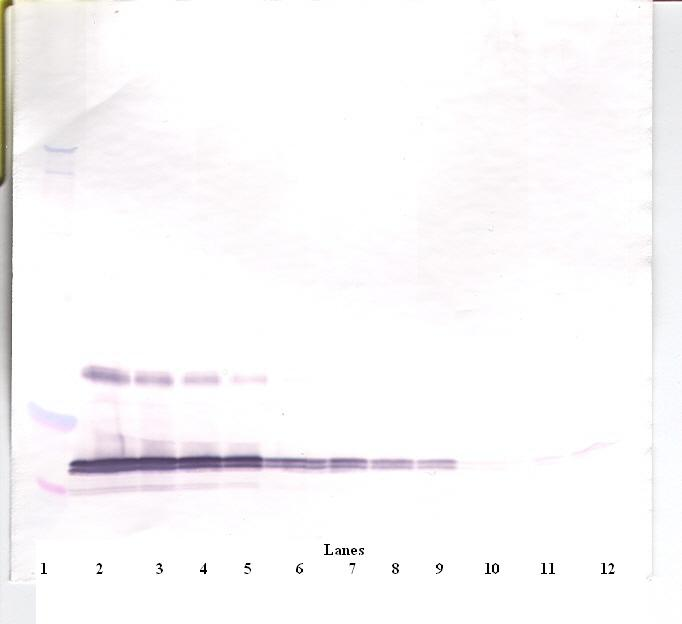
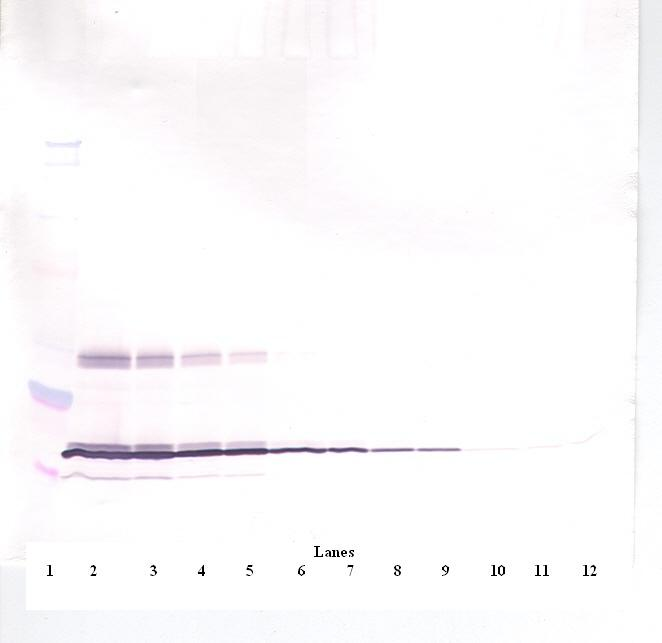
To detect mLeptin by Western Blot analysis this antibody can be used at a concentration of 0.1-0.2 ug/ml. Used in conjunction with compatible secondary reagents the detection limit for recombinant mLeptin is 1.5-3.0 ng/lane, under either reducing or non-reducing conditions.Application
To detect mLeptin by Western Blot analysis this antibody can be used at a concentration of 0.1-0.2 ug/ml. Used in conjunction with compatible secondary reagents the detection limit for recombinant mLeptin is 1.5-3.0 ng/lane, under either reducing or non-reducing conditions.Application
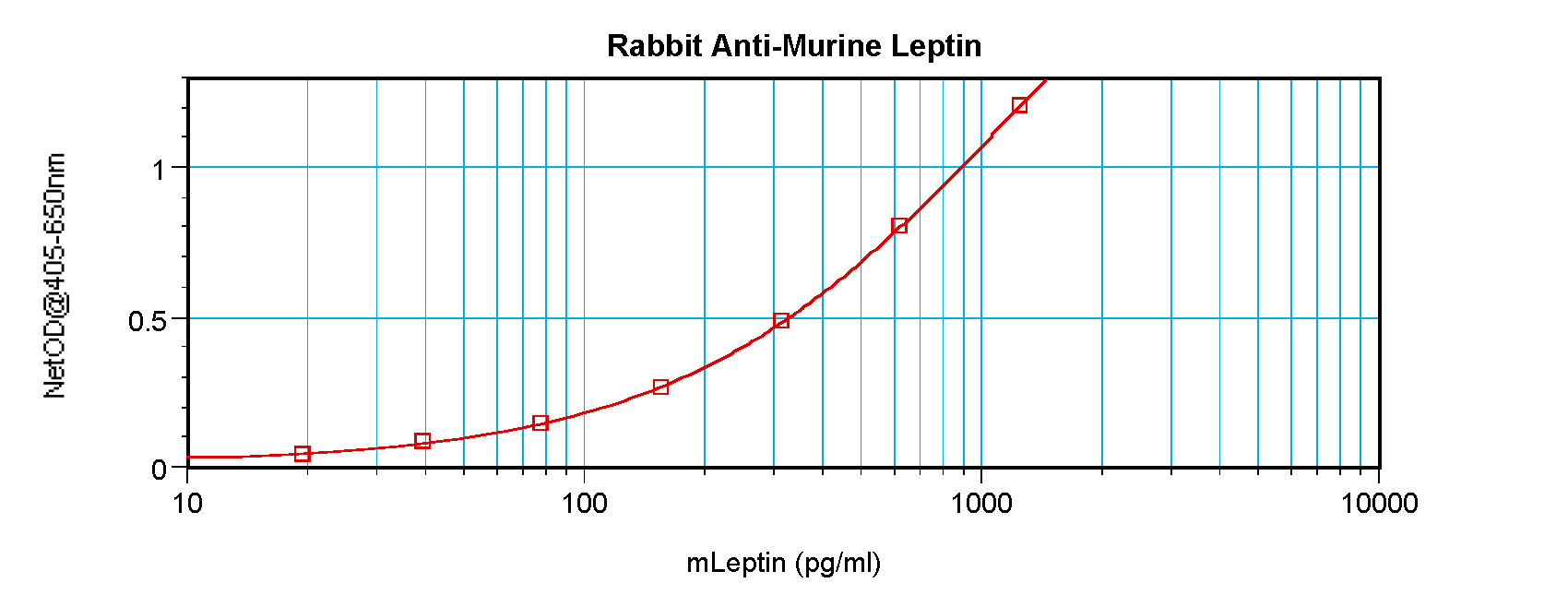
To detect mLeptin by sandwich ELISA (using 100 ul/well antibody solution) a concentration of 0.5 - 2.0 ug/ml of this antibody is required. This antigen affinity purified antibody, in conjunction with ProSci’s Biotinylated Anti-Murine Leptin (XP-5211Bt) as a detection antibody, allows the detection of at least 0.2 - 0.4 ng/well of recombinant mLeptin.| Product Name | Leptin Antibody |
|---|---|
| Antibody Type | Primary Antibodies |
| Antigen Alias | ob, obese, Ob, Leptin, Obesity factor, |
| Product description | Leptin plays a critical role in the regulation of body weight by inhibiting food intake and stimulating energy expenditure. Defects in Leptin production cause severe hereditary obesity in rodents and humans. In addition to its effects on body weight, leptin has a variety of other functions, including the regulation of hematopoiesis, angiogenesis, wound healing, and the immune and inflammatory response. The Leptin gene is the human homolog of the gene (ob) mutant in the mouse 'obese' phenotype. |
| Immunogen | Produced from sera of rabbits pre-immunized with highly pure (>98%) recombinant murine Leptin. |
| Clonality | Polyclonal |
|---|---|
| Host Species | Rabbit |
| Tested Applications | ELISAWB |
| ELISA: To detect Leptin by direct ELISA (using 100 μL/well antibody solution) a concentration of at least 0.5 μg/mL of this antibody is required. This antigen affinity purified antibody, in conjunction with compatible secondary reagents, allows the detection of 0.2 - 0.4 ng/well of recombinant Leptin. Sandwich: To detect mLeptin by sandwich ELISA (using 100 μL/well antibody solution) a concentration of 0.5 - 2.0 μg/mL of this antibody is required. This antigen affinity purified antibody, in conjunction with our Biotinylated Anti-Murine Leptin (XP-5211Bt) as a detection antibody, allows the detection of at least 0.2 - 0.4 ng/well of recombinant mLeptin. Western Blot: To detect Leptin by Western Blot analysis this antibody can be used at a concentration of 0.1 - 0.2 μg/mL. Used in conjunction with compatible secondary reagents the detection limit for recombinant Leptin is 1.5 - 3.0 ng/lane, under either reducing or non-reducing conditions.: |
|
| Species Reactivity | Mouse |
| Concentration | 1mg/ml |
| Purification | Affinity purified |
| Gene Symbol | Lep |
|---|---|
| Alternative Names | ob obese Ob Leptin Obesity factor |
Application
This antibody stained 4% PFA, paraffin-embedded sections of Trichuris muris infected murine cecum and large intestine tissue. The primary antibody was incubated at 0.20 ug/ml overnight at 4˚C and the secondary antibody was a cyanine-3 conjugated Donkey anti-Rabbit (Jackson ImmunoResearch). Heat induced antigen retrieval with a 100mM citric acid was used. Information and photo are courtesy of
Application
To detect mLeptin by Western Blot analysis this antibody can be used at a concentration of 0.1-0.2 ug/ml. Used in conjunction with compatible secondary reagents the detection limit for recombinant mLeptin is 1.5-3.0 ng/lane, under either reducing or non-reducing conditions.
Application
To detect mLeptin by Western Blot analysis this antibody can be used at a concentration of 0.1-0.2 ug/ml. Used in conjunction with compatible secondary reagents the detection limit for recombinant mLeptin is 1.5-3.0 ng/lane, under either reducing or non-reducing conditions.
Application
To detect mLeptin by sandwich ELISA (using 100 ul/well antibody solution) a concentration of 0.5 - 2.0 ug/ml of this antibody is required. This antigen affinity purified antibody, in conjunction with ProSci’s Biotinylated Anti-Murine Leptin (XP-5211Bt) as a detection antibody, allows the detection of at least 0.2 - 0.4 ng/well of recombinant mLeptin.| Application Notes | ELISA: To detect Leptin by direct ELISA (using 100 μL/well antibody solution) a concentration of at least 0.5 μg/mL of this antibody is required. This antigen affinity purified antibody, in conjunction with compatible secondary reagents, allows the detection of 0.2 - 0.4 ng/well of recombinant Leptin. Sandwich: To detect mLeptin by sandwich ELISA (using 100 μL/well antibody solution) a concentration of 0.5 - 2.0 μg/mL of this antibody is required. This antigen affinity purified antibody, in conjunction with our Biotinylated Anti-Murine Leptin (XP-5211Bt) as a detection antibody, allows the detection of at least 0.2 - 0.4 ng/well of recombinant mLeptin. Western Blot: To detect Leptin by Western Blot analysis this antibody can be used at a concentration of 0.1 - 0.2 μg/mL. Used in conjunction with compatible secondary reagents the detection limit for recombinant Leptin is 1.5 - 3.0 ng/lane, under either reducing or non-reducing conditions.: |
|---|
| Form | Liquid |
|---|---|
| Storage Instructions | Leptin antibody is stable for at least 2 years from date of receipt at -20˚C. The reconstituted antibody is stable for at least two weeks at 2-8˚C. Frozen aliquots are stable for at least 6 months when stored at -20˚C. Avoid repeated freeze-thaw cycles. |
| Storage Buffer | phosphate buffered saline , pH 7.4, 150mM NaCl, 0.02% sodium azide and 50% glycerol. |


