Application
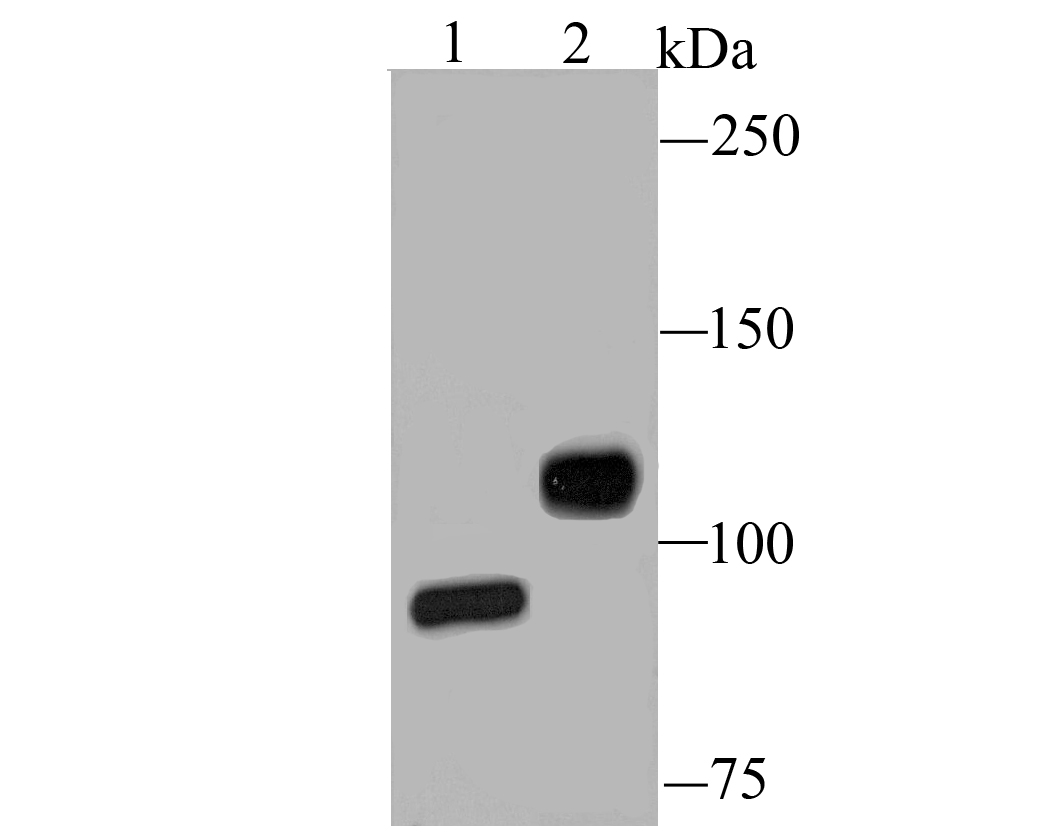
Fig1: Western blot analysis of Integrin beta-3 on A431 (1) and rat spleen tissue (2) lysate using anti-Integrin beta-3 antibody at 1/1,000 dilution.Application
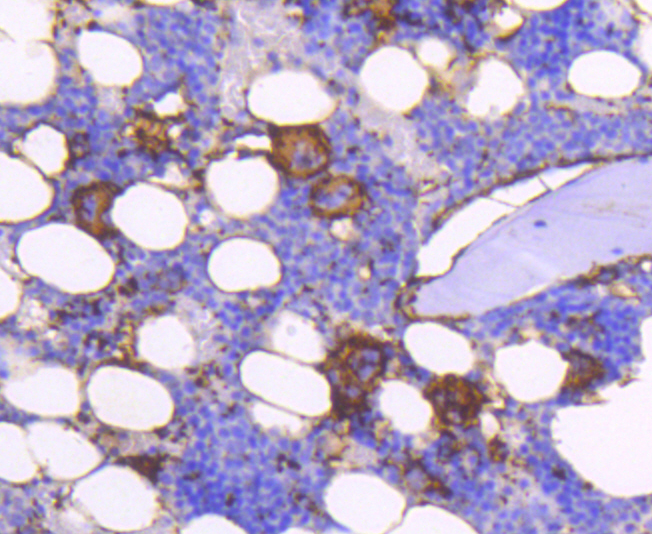
Fig2: Immunohistochemical analysis of paraffin-embedded rat ossature tissue using anti-Integrin beta-3 antibody. Counter stained with hematoxylin.Application
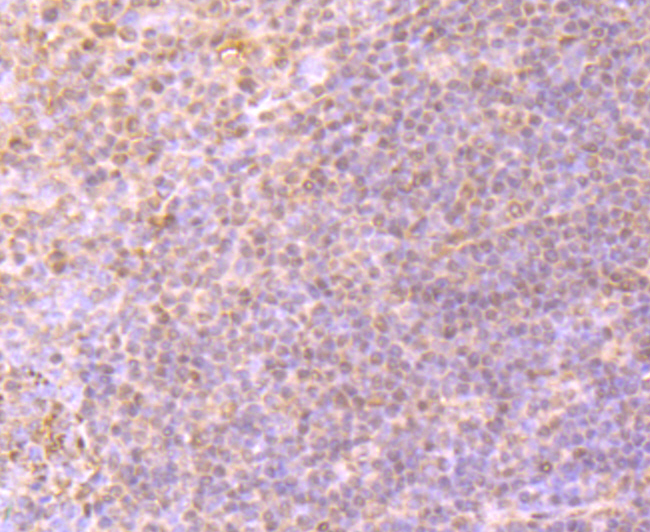
Fig3: Immunohistochemical analysis of paraffin-embedded human tonsil tissue using anti-Integrin beta-3 antibody. Counter stained with hematoxylin.Application
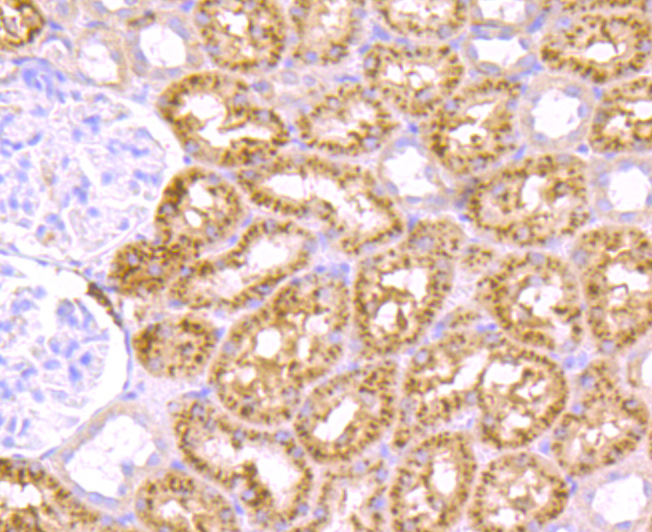
Fig4: Immunohistochemical analysis of paraffin-embedded human kidney tissue using anti-Integrin beta-3 antibody. Counter stained with hematoxylin.Application
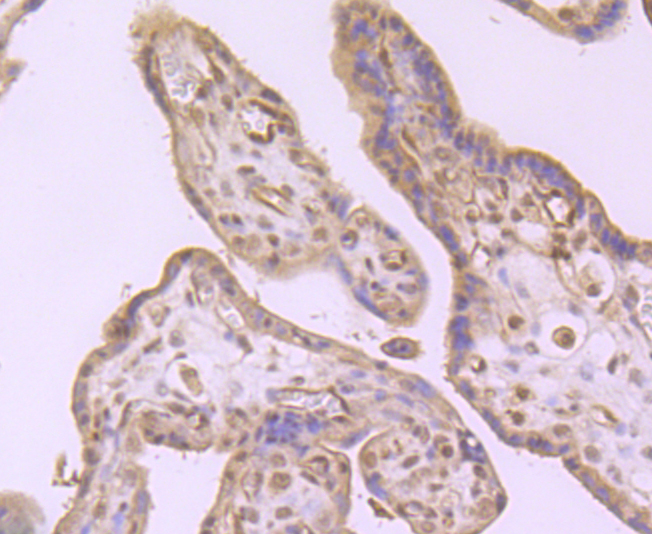
Fig5: Immunohistochemical analysis of paraffin-embedded human placenta tissue using anti-Integrin beta-3 antibody. Counter stained with hematoxylin.Application
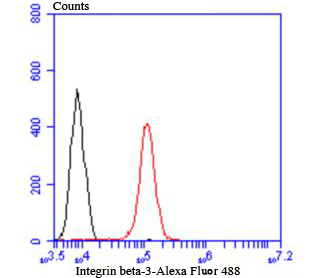
Fig6: Flow cytometric analysis of A431 cells with Integrin beta-3 antibody at 1/100 dilution (red) compared with an unlabelled control (cells without incubation with primary antibody; black). Alexa Fluor 488-conjugated Goat anti rabbit IgG was used as the secondary antibody.Application
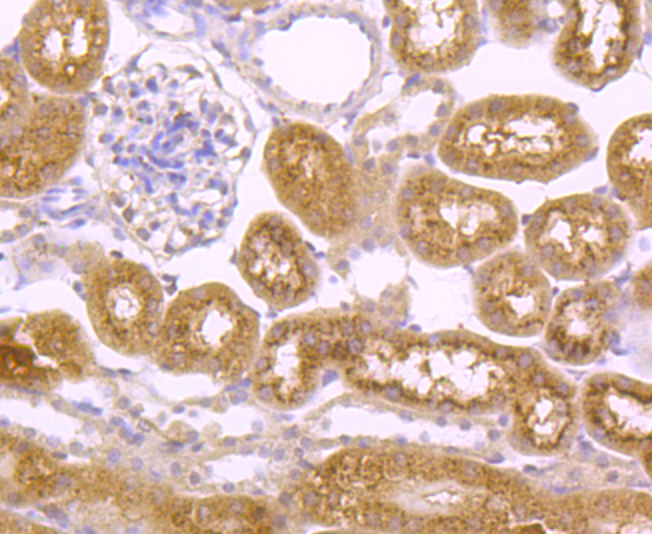
Fig7: Immunohistochemical analysis of paraffin-embedded mouse kidney tissue using anti-Integrin beta-3 antibody. Counter stained with hematoxylin.Application
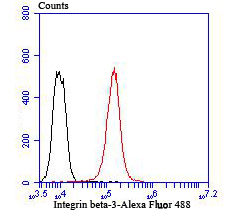
Fig8: Flow cytometric analysis of HUVEC cells with Integrin beta-3 antibody at 1/100 dilution (red) compared with an unlabelled control (cells without incubation with primary antibody; black). Alexa Fluor 488-conjugated Goat anti rabbit IgG was used as the secondary antibody.| Product Name | Integrin beta-3 (CD61 antigen) |
|---|---|
| Antibody Type | Primary Antibodies |
| Antigen Alias | Antigen identified by monoclonal antibody L230 antibody CD 51 antibody CD 61 antibody CD51 antibody CD51 antigen antibody CD61 antibody CD61 antigen antibody DKFZp686A08142 antibody GP3A antibody GPIIIa antibody Integrin alpha V antibody Integrin alpha V vitronectin receptor alpha polypeptide antibody Integrin alpha V vitronectin receptor alpha polypeptide antigen CD51 antibody integrin alpha-V antibody Integrin alpha-V light chain antibody Integrin beta 3 antibody Integrin beta 3 platelet glycoprotein IIIa antigen CD61 antibody Integrin beta chain beta 3 antibody integrinVbeta3 antibody ITAV_HUMAN antibody ITGAV antibody ITGB 3 antibody ITGB3 antibody MSK 8 antibody MSK8 antibody Platelet glycoprotein IIIa antibody Platelet glycoprotein IIIa precursor antibody Platelet membrane glycoprotein IIIa antibody Vitronectin receptor alpha polypeptide antibody vitronectin receptor antibody Vitronectin receptor subunit alpha antibody VNR 1 antibody VNR1 antibody VNRA antibody |
| Product description | Integrins are heterodimers composed of noncovalently associated transmembrane a and b subunits. The 16 a and 8 b subunits heterodimerize to produce more than 20 different receptors. Most integrin receptors bind ligands that are components of the extracellular matrix, including Fibronectin, Collagen and Vitronectin. Certain integrins can also bind to soluble ligands such as Fibrinogen, or to counterreceptors on adjacent cells such as the intracellular adhesion molecules (ICAMs), leading to aggregation of cells. Ligands serve to cross-link or cluster integrins by binding to adjacent integrin receptors; both receptor clustering and ligand occupancy are necessary for the activation of integrin-mediated responses. In addition to mediating cell adhesion and cytoskeletal organization, integrins function as signaling receptors. Signals transduced by integrins play a role in many biological processes, including cell growth, differentiation, migration and apoptosis. |
| Immunogen | Peptide |
| Clonality | Polyclonal |
|---|---|
| Isotype | IgG |
| Host Species | Rabbit |
| Tested Applications | WBIHCFC |
| WB:1:500-1:1,000 IHC:1:50-1:200 FC:1:50-1:100 |
|
| Species Reactivity | HumanMouseRat |
| Concentration | 1mg/ml |
| Alternative Names | Antigen identified by monoclonal antibody L230 antibody CD 51 antibody CD 61 antibody CD51 antibody CD51 antigen antibody CD61 antibody CD61 antigen antibody DKFZp686A08142 antibody GP3A antibody GPIIIa antibody Integrin alpha V antibody Integrin alpha V vitronectin receptor alpha polypeptide antibody Integrin alpha V vitronectin receptor alpha polypeptide antigen CD51 antibody integrin alpha-V antibody Integrin alpha-V light chain antibody Integrin beta 3 antibody Integrin beta 3 platelet glycoprotein IIIa antigen CD61 antibody Integrin beta chain beta 3 antibody integrinVbeta3 antibody ITAV_HUMAN antibody ITGAV antibody ITGB 3 antibody ITGB3 antibody MSK 8 antibody MSK8 antibody Platelet glycoprotein IIIa antibody Platelet glycoprotein IIIa precursor antibody Platelet membrane glycoprotein IIIa antibody Vitronectin receptor alpha polypeptide antibody vitronectin receptor antibody Vitronectin receptor subunit alpha antibody VNR 1 antibody VNR1 antibody VNRA antibody |
|---|---|
| Molecular Weight(MW) | 87/110 kDa |
| Cellular Localization | Membrane. |
Application
Fig1: Western blot analysis of Integrin beta-3 on A431 (1) and rat spleen tissue (2) lysate using anti-Integrin beta-3 antibody at 1/1,000 dilution.
Application
Fig2: Immunohistochemical analysis of paraffin-embedded rat ossature tissue using anti-Integrin beta-3 antibody. Counter stained with hematoxylin.
Application
Fig3: Immunohistochemical analysis of paraffin-embedded human tonsil tissue using anti-Integrin beta-3 antibody. Counter stained with hematoxylin.
Application
Fig4: Immunohistochemical analysis of paraffin-embedded human kidney tissue using anti-Integrin beta-3 antibody. Counter stained with hematoxylin.
Application
Fig5: Immunohistochemical analysis of paraffin-embedded human placenta tissue using anti-Integrin beta-3 antibody. Counter stained with hematoxylin.
Application
Fig6: Flow cytometric analysis of A431 cells with Integrin beta-3 antibody at 1/100 dilution (red) compared with an unlabelled control (cells without incubation with primary antibody; black). Alexa Fluor 488-conjugated Goat anti rabbit IgG was used as the secondary antibody.
Application
Fig7: Immunohistochemical analysis of paraffin-embedded mouse kidney tissue using anti-Integrin beta-3 antibody. Counter stained with hematoxylin.
Application
Fig8: Flow cytometric analysis of HUVEC cells with Integrin beta-3 antibody at 1/100 dilution (red) compared with an unlabelled control (cells without incubation with primary antibody; black). Alexa Fluor 488-conjugated Goat anti rabbit IgG was used as the secondary antibody.| Positive Control | A431, rat spleen tissue lysate, rat ossature tissue, human tonsil tissue, human kidney tissue, human placenta tissue, mouse kidney tissue, HUVEC. |
|---|---|
| Application Notes | WB:1:500-1:1,000 IHC:1:50-1:200 FC:1:50-1:100 |
| Form | Liquid |
|---|---|
| Storage Instructions | Store at +4℃ after thawing. Aliquot store at -20℃ or -80℃. Avoid repeated freeze / thaw cycles. |
| Storage Buffer | 1*TBS (pH7.4), 0.5%BSA, 50%Glycerol. Preservative: 0.05% Sodium Azide. |


