Application
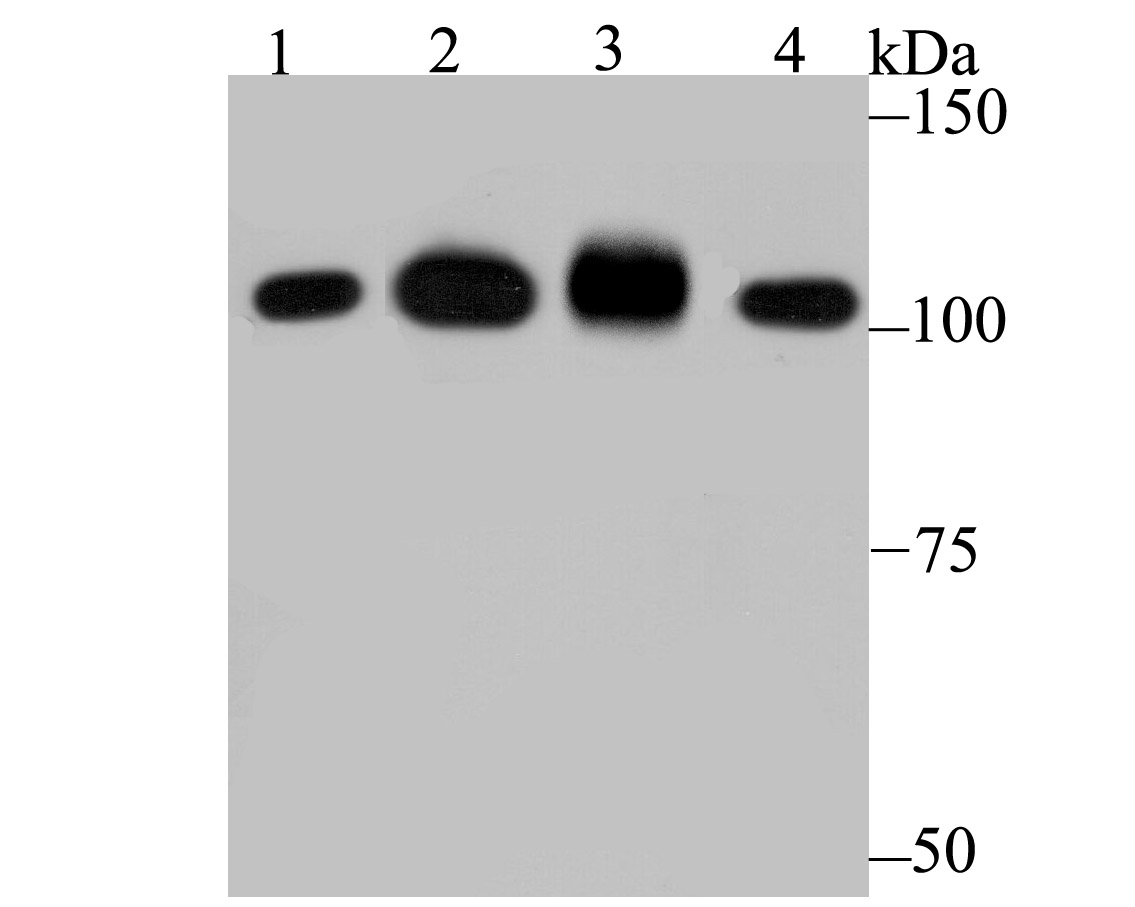
Fig1: Western blot analysis of SFPQ on different lysates using anti-SFPQ antibody at 1/1,000 dilution. Positive control: Lane 1: K562 Lane 2: Daudi Lane 3: Mouse testis Lane 4: Mouse lungApplication
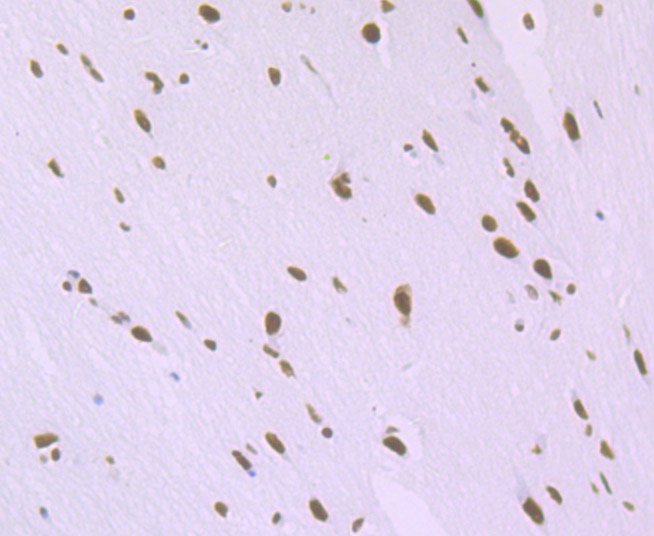
Fig2: Immunohistochemical analysis of paraffin-embedded rat brain tissue using anti-SFPQ antibody. Counter stained with hematoxylin.Application
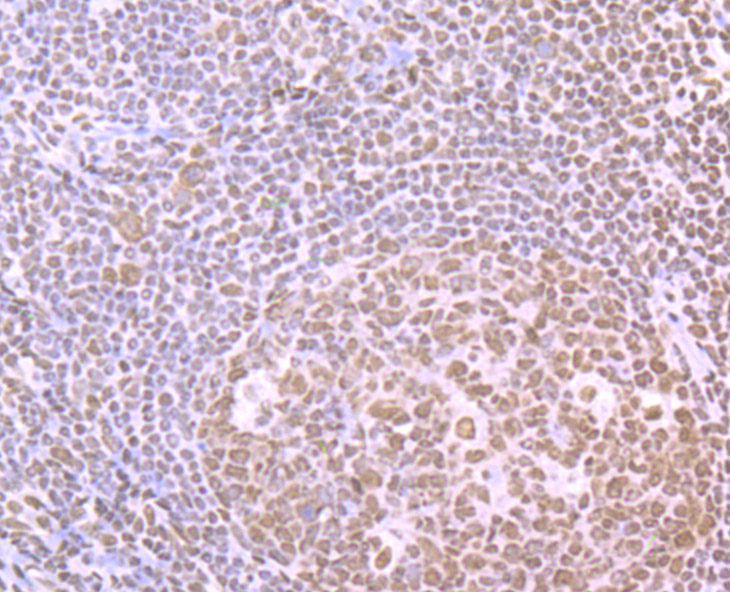
Fig3: Immunohistochemical analysis of paraffin-embedded human tonsil tissue using anti-SFPQ antibody. Counter stained with hematoxylin.Application
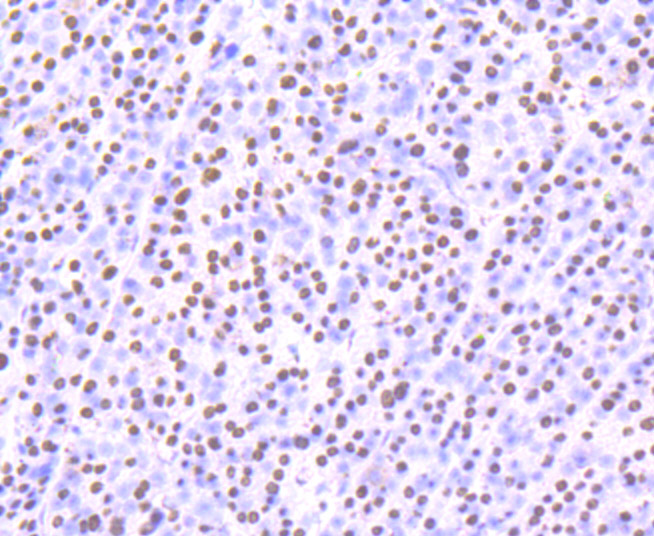
Fig4: Immunohistochemical analysis of paraffin-embedded human liver cancer tissue using anti-SFPQ antibody. Counter stained with hematoxylin.Application
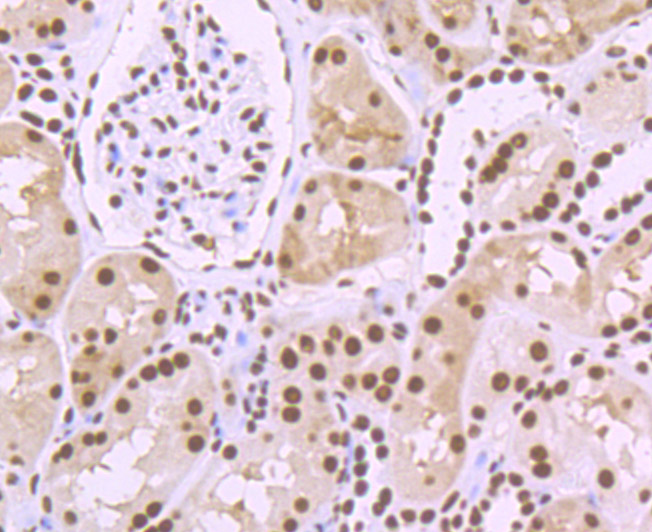
Fig5: Immunohistochemical analysis of paraffin-embedded human kidney tissue using anti-SFPQ antibody. Counter stained with hematoxylin.Application
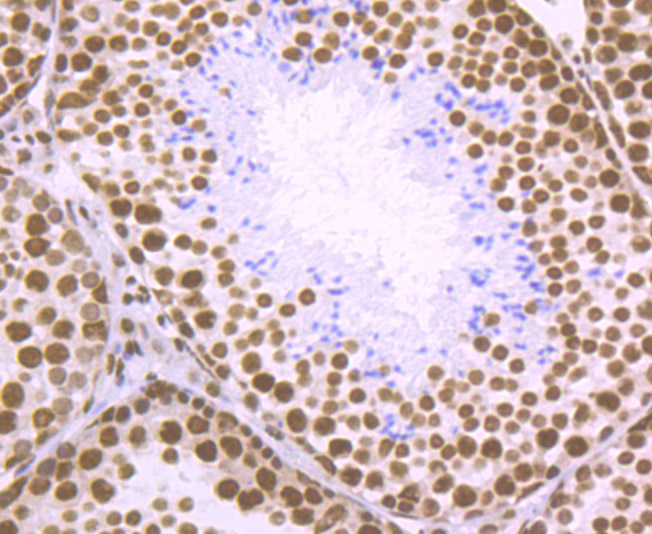
Fig6: Immunohistochemical analysis of paraffin-embedded mouse testis tissue using anti-SFPQ antibody. Counter stained with hematoxylin.| Product Name | SFPQ [JU33-99] |
|---|---|
| Antibody Type | Primary Antibodies |
| Antigen Alias | 100 kDa DNA pairing protein antibody 100 kDa DNA-pairing protein antibody 100 kDa subunit antibody DNA binding p52/p100 complex 100 kDa subunit antibody DNA-binding p52/p100 complex antibody hPOMp100 antibody Polypyrimidine tract binding protein associated splicing factor antibody Polypyrimidine tract-binding protein-associated-splicing factor antibody POMP100 antibody PPP1R140 antibody proline- and glutamine-rich antibody Protein phosphatase 1 regulatory subunit 140 antibody PSF antibody PTB associated splicing factor antibody PTB-associated-splicing factor antibody Sfpq antibody SFPQ_HUMAN antibody Splicing factor antibody Splicing factor proline and glutamine rich antibody Splicing factor proline/glutamine rich (polypyrimidine tract binding protein associated) antibody Splicing factor proline/glutamine rich antibody |
| Product description | DNA- and RNA binding protein, involved in several nuclear processes. Essential pre-mRNA splicing factor required early in spliceosome formation and for splicing catalytic step II, probably as a heteromer with NONO. Binds to pre-mRNA in spliceosome C complex, and specifically binds to intronic polypyrimidine tracts. Involved in regulation of signal-induced alternative splicing. Interacts with U5 snRNA, probably by binding to a purine-rich sequence located on the 3' side of U5 snRNA stem 1b. May be involved in a pre-mRNA coupled splicing and polyadenylation process as component of a snRNP-free complex with SNRPA/U1A. The SFPQ-NONO heteromer associated with MATR3 may play a role in nuclear retention of defective RNAs. SFPQ may be involved in homologous DNA pairing; in vitro, promotes the invasion of ssDNA between a duplex DNA and produces a D-loop formation. |
| Immunogen | Recombinant protein |
| Clonality | Monoclonal |
|---|---|
| Isotype | IgG |
| Host Species | Recombinant rabbit |
| Tested Applications | WBIHCICCIF |
| WB:1:500-1:2,000 IHC:1:50-1:200 ICC:1:10-1:50 |
|
| Species Reactivity | HumanMouseRat |
| Concentration | 1mg/ml |
| Alternative Names | 100 kDa DNA pairing protein antibody 100 kDa DNA-pairing protein antibody 100 kDa subunit antibody DNA binding p52/p100 complex 100 kDa subunit antibody DNA-binding p52/p100 complex antibody hPOMp100 antibody Polypyrimidine tract binding protein associated splicing factor antibody Polypyrimidine tract-binding protein-associated-splicing factor antibody POMP100 antibody PPP1R140 antibody proline- and glutamine-rich antibody Protein phosphatase 1 regulatory subunit 140 antibody PSF antibody PTB associated splicing factor antibody PTB-associated-splicing factor antibody Sfpq antibody SFPQ_HUMAN antibody Splicing factor antibody Splicing factor proline and glutamine rich antibody Splicing factor proline/glutamine rich (polypyrimidine tract binding protein associated) antibody Splicing factor proline/glutamine rich antibody |
|---|---|
| Molecular Weight(MW) | 100 kDa |
| Cellular Localization | Nucleus. Cytoplasm. |
Application
Fig1: Western blot analysis of SFPQ on different lysates using anti-SFPQ antibody at 1/1,000 dilution. Positive control: Lane 1: K562 Lane 2: Daudi Lane 3: Mouse testis Lane 4: Mouse lung
Application
Fig2: Immunohistochemical analysis of paraffin-embedded rat brain tissue using anti-SFPQ antibody. Counter stained with hematoxylin.
Application
Fig3: Immunohistochemical analysis of paraffin-embedded human tonsil tissue using anti-SFPQ antibody. Counter stained with hematoxylin.
Application
Fig4: Immunohistochemical analysis of paraffin-embedded human liver cancer tissue using anti-SFPQ antibody. Counter stained with hematoxylin.
Application
Fig5: Immunohistochemical analysis of paraffin-embedded human kidney tissue using anti-SFPQ antibody. Counter stained with hematoxylin.
Application
Fig6: Immunohistochemical analysis of paraffin-embedded mouse testis tissue using anti-SFPQ antibody. Counter stained with hematoxylin.| Positive Control | K562, Daudi, mouse testis tissue, mouse lung tissue lysate, rat brain tissue, human tonsil tissue, human liver cancer tissue, human kidney tissue. |
|---|---|
| Application Notes | WB:1:500-1:2,000 IHC:1:50-1:200 ICC:1:10-1:50 |
| Form | Liquid |
|---|---|
| Storage Instructions | Store at +4℃ after thawing. Aliquot store at -20℃ or -80℃. Avoid repeated freeze / thaw cycles. |
| Storage Buffer | 1*TBS (pH7.4), 1%BSA, 40%Glycerol. Preservative: 0.05% Sodium Azide. |


