Application
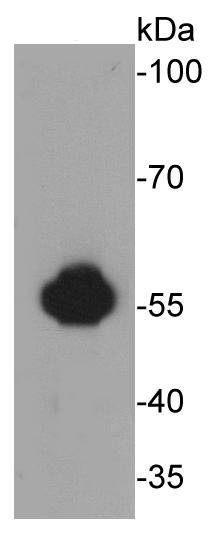
Fig1: Western blot analysis on HepG2 cells lysates using anti-ALDH2 Mouse mAb.Application
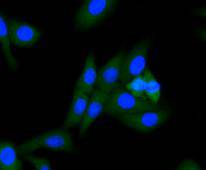
Fig2: Immunocytochemical staining of HepG2 cells using anti-ALDH2 Mouse mAb.Application
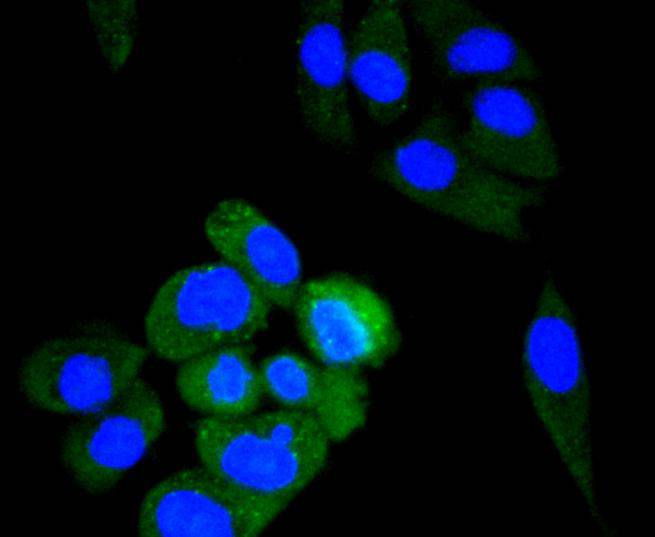
Fig3: Immunocytochemical staining of PC-3M cells using anti-ALDH2 Mouse mAb.Application
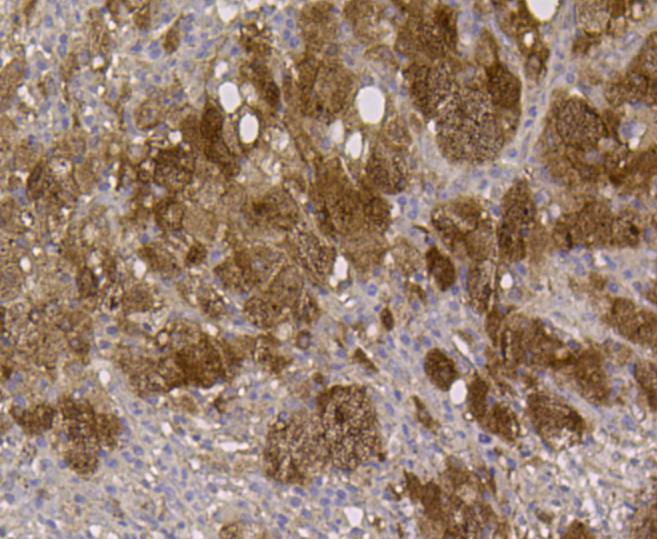
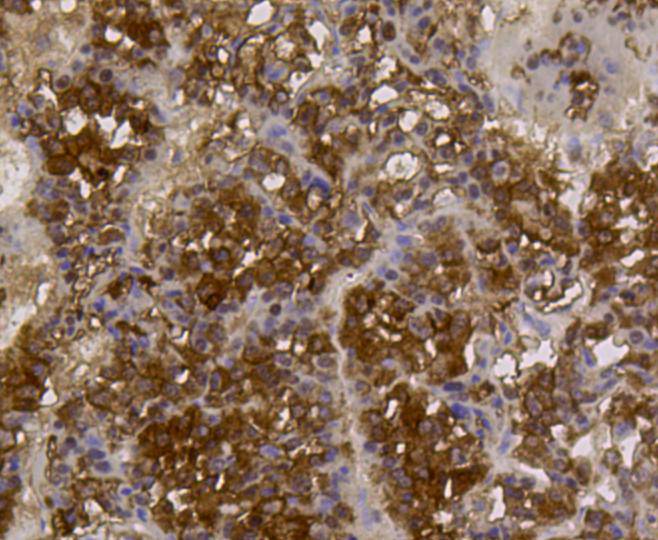
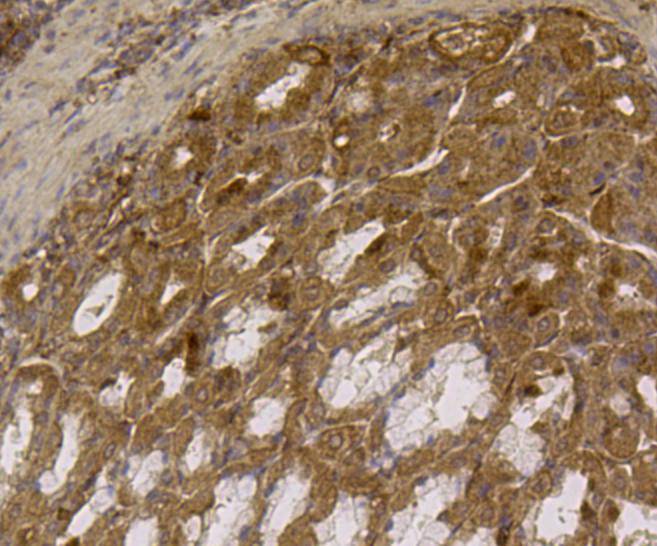
Fig4: Immunohistochemical analysis of paraffin- embedded human lung cancer tissue using anti-ALDH2 Mouse mAb.Application
Fig5: Immunohistochemical analysis of paraffin- embedded human liver cancer tissue using anti-ALDH2 Mouse mAb.Application
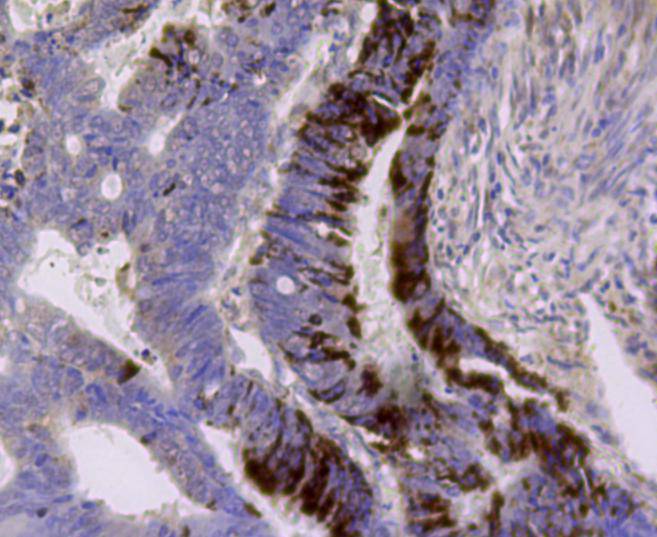
Fig6: Immunohistochemical analysis of paraffin- embedded human colon cancer tissue using anti-ALDH2 Mouse mAb.Application
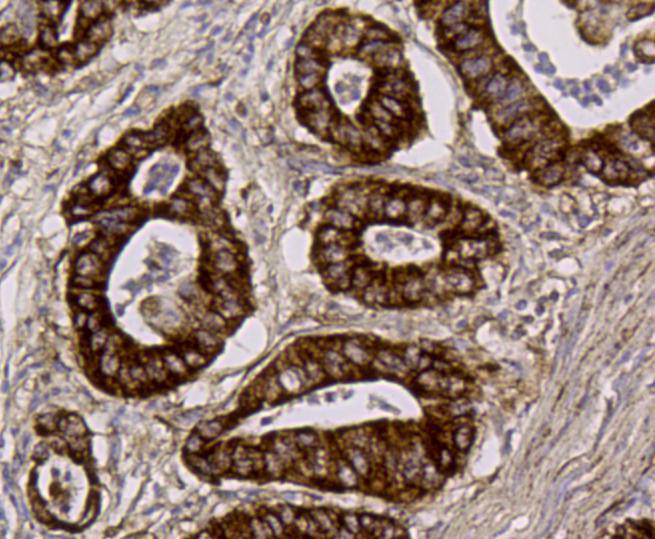
Fig7: Immunohistochemical analysis of paraffin- embedded human gastric cancer tissue using anti-ALDH2 Mouse mAb.Application
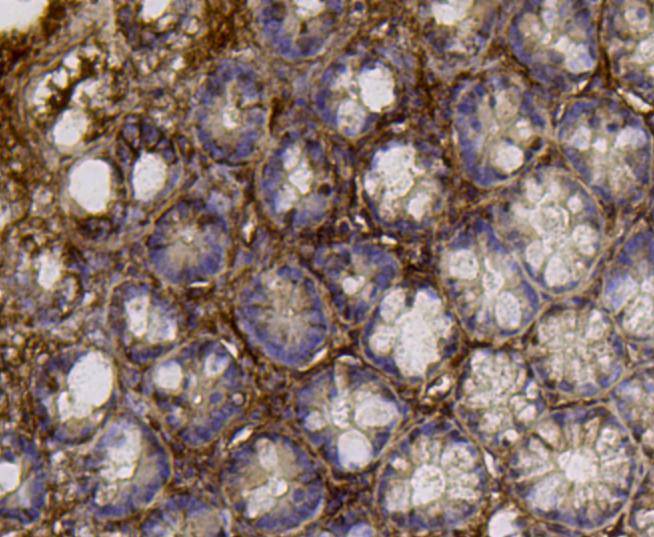
Fig8: Immunohistochemical analysis of paraffin- embedded mouse colon tissue using anti-ALDH2 Mouse mAb.Application
Fig9: Immunohistochemical analysis of paraffin- embedded mouse stomach tissue using anti-ALDH2 Mouse mAb.Application
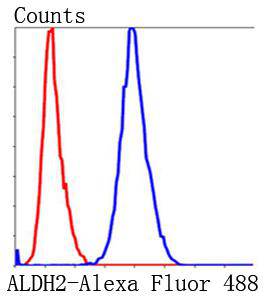
Fig10: Flow cytometric analysis of HepG2 cells with ALDH2 antibody at 1/100 dilution (blue) compared with an unlabelled control (cells without incubation with primary antibody; red). Alexa Fluor 488-conjugated Goat anti mouse IgG was used as the secondary antibody.| Product Name | ALDH2 [E4-D10] |
|---|---|
| Antibody Type | Primary Antibodies |
| Antigen Alias | Acetaldehyde dehydrogenase 2 antibody Aldehyde dehydrogenase 2 family (mitochondrial) antibody Aldehyde dehydrogenase 2 family antibody Aldehyde dehydrogenase mitochondrial antibody Aldehyde dehydrogenase, mitochondrial antibody ALDH 2 antibody ALDH class 2 antibody ALDH E2 antibody ALDH-E2 antibody Aldh2 antibody ALDH2_HUMAN antibody ALDHI antibody ALDM antibody Liver mitochondrial ALDH antibody MGC1806 antibody Mitochondrial aldehyde dehydrogenase 2 antibody MS767 antibody Nucleus encoded mitochondrial aldehyde dehydrogenase 2 antibody |
| Product description | Aldehyde dehydrogenases (ALDHs) mediate NADP+-dependent oxidation of aldehydes into acids during detoxification of alcohol-derived acetaldehyde; lipid peroxidation; and metabolism of corticosteroids, biogenic amines and neurotransmitters. ALDH1A1, also designated retinal dehydrogenase 1 (RalDH1 or RALDH1); aldehyde dehydrogenase family 1 member A1; aldehyde dehydrogenase cytosolic; ALDHII; ALDH-E1 or ALDH E1, is a retinal dehydrogenase that participates in the biosynthesis of retinoic acid (RA). The major liver isoform ALDH1 localizes to cytosolic space, while ALDH2 localizzes to the mitochondria. The ALDH1A2 (RALDH2, RALDH2-T) gene produces three different transcripts and also catalyzes the synthesis of RA from retinaldehyde. ALDH2 is present in most Caucasians, yet is absent in 50% of Asians. The absence of this enzyme has been linked to alcohol intolerance; and thusly, a reduced risk for alcoholism-related liver disease. |
| Immunogen | peptide |
| Clonality | Monoclonal |
|---|---|
| Isotype | IgG1 |
| Host Species | Mouse |
| Tested Applications | WBICC/IFIHCFC |
| WB:1:1,000-1:5,000 ICC:1:50-1:200 IHC:1:50-1:200 FC:1:50-1:100 |
|
| Species Reactivity | HumanMouseRat |
| Concentration | 2mg/ml |
| Alternative Names | Acetaldehyde dehydrogenase 2 antibody
Aldehyde dehydrogenase 2 family (mitochondrial) antibody
Aldehyde dehydrogenase 2 family antibody
Aldehyde dehydrogenase mitochondrial antibody
Aldehyde dehydrogenase mitochondrial antibody ALDH 2 antibody ALDH class 2 antibody ALDH E2 antibody ALDH-E2 antibody Aldh2 antibody ALDH2_HUMAN antibody ALDHI antibody ALDM antibody Liver mitochondrial ALDH antibody MGC1806 antibody Mitochondrial aldehyde dehydrogenase 2 antibody MS767 antibody Nucleus encoded mitochondrial aldehyde dehydrogenase 2 antibody |
|---|---|
| Molecular Weight(MW) | 56 kDa |
| Cellular Localization | Mitochondrion matrix |
| SwissProt ID | P05091 |
|---|
Application
Fig1: Western blot analysis on HepG2 cells lysates using anti-ALDH2 Mouse mAb.
Application
Fig2: Immunocytochemical staining of HepG2 cells using anti-ALDH2 Mouse mAb.
Application
Fig3: Immunocytochemical staining of PC-3M cells using anti-ALDH2 Mouse mAb.
Application
Fig4: Immunohistochemical analysis of paraffin- embedded human lung cancer tissue using anti-ALDH2 Mouse mAb.
Application
Fig5: Immunohistochemical analysis of paraffin- embedded human liver cancer tissue using anti-ALDH2 Mouse mAb.
Application
Fig6: Immunohistochemical analysis of paraffin- embedded human colon cancer tissue using anti-ALDH2 Mouse mAb.
Application
Fig7: Immunohistochemical analysis of paraffin- embedded human gastric cancer tissue using anti-ALDH2 Mouse mAb.
Application
Fig8: Immunohistochemical analysis of paraffin- embedded mouse colon tissue using anti-ALDH2 Mouse mAb.
Application
Fig9: Immunohistochemical analysis of paraffin- embedded mouse stomach tissue using anti-ALDH2 Mouse mAb.
Application
Fig10: Flow cytometric analysis of HepG2 cells with ALDH2 antibody at 1/100 dilution (blue) compared with an unlabelled control (cells without incubation with primary antibody; red). Alexa Fluor 488-conjugated Goat anti mouse IgG was used as the secondary antibody.| Positive Control | HepG2, PC-3M, human colon cancer tissue, human lung cancer tissue, human gastric cancer tissue, human liver cancer tissue, mouse colon tissue, mouse stomach tissue. |
|---|---|
| Application Notes | WB:1:1,000-1:5,000 ICC:1:50-1:200 IHC:1:50-1:200 FC:1:50-1:100 |
| Form | Liquid |
|---|---|
| Storage Instructions | Store at +4℃ after thawing. Aliquot store at -20℃ or -80℃. Avoid repeated freeze / thaw cycles. |
| Storage Buffer | 1*TBS (pH7.4), 1%BSA, 40%Glycerol. Preservative: 0.05% Sodium Azide. |


